Bioindicators
Macroinvertebrates as Bioindicators in Polish Streams
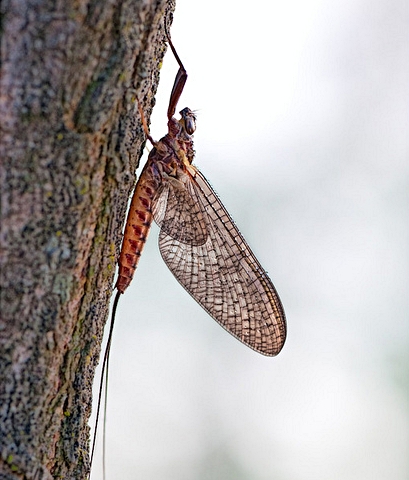
Stoneflies, mayflies, and caddisflies in Poland's rivers are sensitive enough to detect pollution before chemical tests register a change.
Read articleHow the organisms living in Polish brooks and rivers reflect the condition of entire watersheds — and what volunteer monitoring networks are finding.

Topics
Each article covers a distinct aspect of freshwater stream ecology and monitoring practice in Poland, from species-level identification to community field protocols.
Bioindicators
Stoneflies, mayflies, and caddisflies in Poland's rivers are sensitive enough to detect pollution before chemical tests register a change.
Read article
Monitoring Methods
Volunteer networks across Poland apply standardised kick-net sampling and field chemistry kits to track changes in lowland and upland streams.
Read article
Seasonal Ecology
From snowmelt spates in April to late-summer low flows, Carpathian stream communities shift considerably in composition and density through the year.
Read articleAbout This Resource
Small watercourses — brooks, runnels, and first-order streams — make up the majority of total stream length in Poland. They receive runoff from agricultural land, pass through settlements, and discharge into larger rivers that ultimately feed the Baltic. What happens in these small channels therefore matters well beyond their physical size.
This site collects practical information about the ecology of these habitats, with particular attention to biological monitoring methods used by regional inspectorates and volunteer groups across Polish river basins.
All references point to publicly available datasets and published scientific sources. No commercial endorsement is implied.

Key Context
Framework
WFD
The EU Water Framework Directive requires Member States to assess ecological status using biological quality elements, including benthic macroinvertebrates.
Polish Monitoring
GIOŚ
The Chief Inspectorate of Environmental Protection (Główny Inspektorat Ochrony Środowiska) coordinates the national State Environmental Monitoring programme.
Key Metric
MMI
Multimetric indices such as the Polish RHS-based system combine taxon richness, sensitivity scores, and abundance to produce a single ecological status class.
Indicator Groups
EPT
Ephemeroptera (mayflies), Plecoptera (stoneflies), and Trichoptera (caddisflies) are the primary pollution-sensitive orders used in bioassessment.
Sampling
Kick-net
Standard kick-net sampling disturbs the substrate for 30 seconds and collects drifting invertebrates into a 500-µm mesh net held downstream.
River Basin
Vistula / Oder
Poland's two main drainage basins cover most of the country, with very different ecological gradients from the Tatras to the Baltic coast.
Contact
For questions about the content on this site, corrections to factual information, or inquiries about contributing field observations, use the form.
localbrookline.eu